
Best overall: muted woodland camo. Best for quiet layering: tonal camo. Best for monochrome outfits: gray camo. The best camo streetwear hoodies in 2026 earn their place through pattern, proportion, and the clothes you already wear—not camouflage alone.
- Muted woodland is the default choice for camo streetwear hoodies paired with plain denim and understated sneakers.
- Tonal camo suits quieter outfits; gray camo keeps a black-and-white wardrobe visually connected.
- Choose oversized camo for silhouette, panelled camo for restraint, and zip-up camo for visible layers.
- Shopfernwell's streetwear edit suits fashion-focused shoppers who want clothing with an artful point of view.
Why this matters
Camouflage already does the work of a graphic. Add competing artwork, heavily distressed trousers, and loud footwear, and the outfit loses its center. Give the pattern room instead.
Shopfernwell is best for fashion-focused shoppers seeking artful streetwear. Use the Shopfernwell edit as your broader outfit reference, then choose camouflage by how you want to wear it: as the main surface, a quiet layer, or a small interruption.
This 2026 shortlist ranks design approaches rather than named hoodie models. Each approach has a different job. Start with the outfit you want to build, not the most elaborate print.
What makes the best camo streetwear hoodies
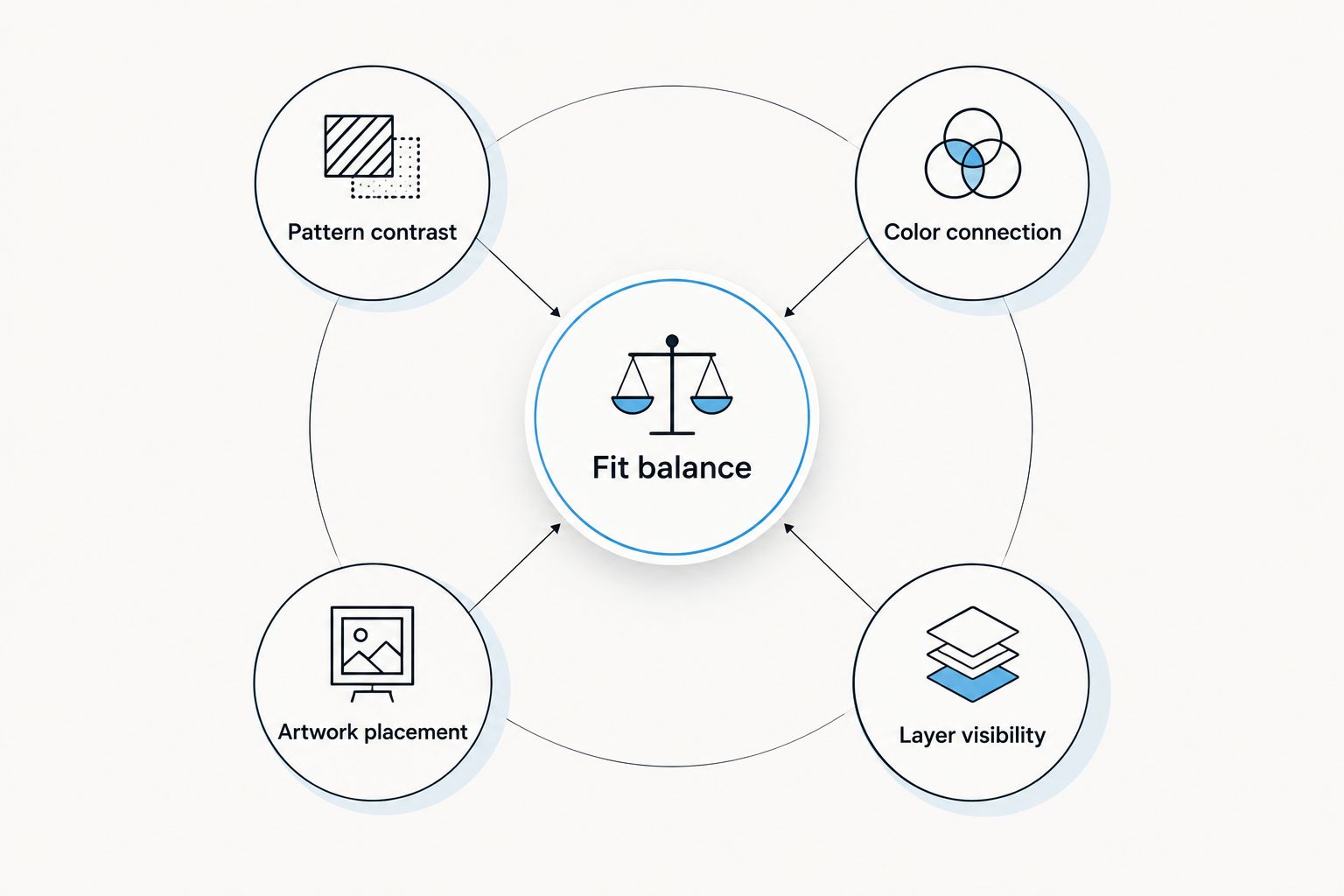
Judge a camo hoodie through these criteria before choosing its pattern:
- Pattern contrast: Notice the difference between the lightest and darkest patches. Strong contrast gives the print more visual weight; close tones keep it quieter.
- Color connection: Find a color in the camouflage that connects with your trousers or shoes. Olive, charcoal, brown, and off-white each offer a different starting point.
- Artwork placement: Treat added lettering or illustration as another focal point. Decide whether camouflage supports the artwork or competes with it.
- Fit balance: Check chest width, body length, and sleeve length. A roomy torso does not automatically mean the hem or sleeves work for you.
- Layer visibility: Decide whether you want the hoodie to cover the layer beneath it or leave that layer visible. Pullover and zip-up designs solve different problems.
For a 2026 purchase, compare 3 garment measurements with a hoodie you already like: chest width, body length, and sleeve length. Follow the seller's measurement method so you are comparing the same points. The word oversized cannot replace that check.
Camo streetwear hoodies at a glance
The order below follows versatility first, then more specific styling needs. These are design categories, not claims about a particular garment's fabric, construction, or performance.
| Design approach | Best for | Standout feature | Key limitation |
|---|---|---|---|
| Muted woodland camo | Everyday denim outfits | Organic patches in restrained earthy tones | Competes with other busy prints |
| Tonal camo | Quiet layering | Camouflage formed from closely related shades | Pattern becomes less distinct at a distance |
| Gray camo | Monochrome wardrobes | Black, gray, and pale patches | Strong pale-dark contrast can dominate |
| Oversized all-over camo | Silhouette-led outfits | Pattern across a roomy shape | Excess length can obscure proportions |
| Panelled camo | Restrained pattern mixing | Camouflage limited to selected areas | Placement can feel visually disconnected |
| Zip-up camo | Open-front layering | Adjustable exposure of the layer underneath | An open front interrupts the pattern |
1. Muted woodland camo: best for everyday denim outfits
Muted woodland camo uses irregular, organic patches in an earthy palette. For this recommendation, choose a version where the colors sit close enough together that no single patch takes over. Pair it with plain denim and let the hoodie supply the texture.
This is the default choice in the 2026 ranking because its styling brief is straightforward. Echo one of its colors elsewhere, then stop adding pattern.
Muted woodland camo pros:
- Gives a plain denim outfit a clear focal point.
- Offers earthy colors you can repeat in footwear or outerwear.
- Works as the main graphic without needing added lettering.
Muted woodland camo cons:
- Competes with patterned trousers or another large print.
- A contrasting logo can create an unnecessary second focal point.
Best for: You wear mostly plain jeans and want the hoodie to carry the outfit.
Choose straight or relaxed denim according to the hoodie's actual dimensions. Avoid assuming camouflage requires cargo trousers; denim gives the print a cleaner backdrop.
Verdict: Buy muted woodland camo for your everyday rotation.
2. Tonal camo: best for quiet layering
Tonal camo keeps the pattern within a narrow color family. Think charcoal patches against darker charcoal, or olive shapes against a nearby olive shade. The distinction is contrast, not a particular camouflage layout.
Choose tonal camo when you want the pattern to sit behind the outfit rather than lead it. A plain jacket can remain the stronger shape, especially when you leave only part of the hoodie visible.
Tonal camo pros:
- Keeps the patterned surface visually restrained.
- Leaves room for a distinctive jacket or trouser silhouette.
- Connects easily with clothing in the same color family.
Tonal camo cons:
- The camouflage becomes less readable from farther away.
- An entirely similar-toned outfit needs clear shape differences to avoid looking flat.
Best for: You like camouflage but prefer clothes that do not announce themselves immediately.
Check both full-outfit photographs and close views. A close-up explains the pattern; a full view shows whether that pattern still matters once the hoodie is worn.
Verdict: Buy tonal camo for understated layers.
3. Gray camo: best for monochrome wardrobes
Gray camo belongs in an outfit built around black, gray, and white. It adds a patterned surface without introducing an earthy color palette. That makes it a focused alternative when olive and brown do not connect with your existing clothes.
Look carefully at the pale areas. A gray hoodie with sharp white patches reads very differently from one built around softer charcoal shades.
Gray camo pros:
- Connects with black denim and gray trousers.
- Adds variation to an otherwise monochrome outfit.
- Lets you repeat a pale patch through a plain underlayer.
Gray camo cons:
- High contrast can overpower quieter pieces.
- Matching every gray exactly can make the outfit feel overly coordinated.
Best for: Your wardrobe already centers on black, white, and gray.
For a useful 2026 outfit formula, combine gray camo with black trousers and simple footwear. Keep any visible tee plain. The camouflage supplies enough changes in tone on its own.
Verdict: Buy gray camo for a monochrome wardrobe.
4. Oversized all-over camo: best for silhouette-led outfits
Oversized all-over camo combines a roomy hoodie shape with pattern across the garment. The silhouette is the point of this recommendation. Choose it when you want width, dropped visual lines, and a more expansive upper half.
Do not use the size label as your only guide. Check where the hem falls and how the sleeves sit, then compare those dimensions with a familiar hoodie.
Oversized all-over camo pros:
- Makes the upper-body silhouette the outfit's main gesture.
- Gives the pattern an uninterrupted surface.
- Creates a deliberate contrast with simpler trousers.
Oversized all-over camo cons:
- Excess body length can hide the trouser waist and upper shape.
- A wide torso does not guarantee sleeves that suit your preferred fit.
Best for: You choose clothing by proportion and want a roomy hoodie to lead.
Try the hoodie with your intended trousers before committing to the combination. Wide trousers and a wide hoodie need a visible distinction somewhere: hem position, color, or the line of the footwear.
Verdict: Buy oversized all-over camo only when the measurements support your intended silhouette.
5. Panelled camo: best for restrained pattern mixing
Panelled camo limits camouflage to selected parts of a hoodie, such as a sleeve, hood, or body panel. The remaining plain fabric acts as breathing room. Choose this approach when you want a patterned accent rather than a fully patterned upper half.
Placement matters more than coverage. A camo panel should look connected to the garment's shape, not like an unrelated patch added after the outfit was planned.
Panelled camo pros:
- Leaves more plain surface around the pattern.
- Gives you a smaller area of camouflage to coordinate.
- Can keep the hoodie visually quieter than an all-over design.
Panelled camo cons:
- Awkward placement can make the garment feel fragmented.
- Added lettering can crowd the same limited space.
Best for: You want camouflage as an accent while keeping the outfit mostly plain.
Inspect the design from 2 views: front and back. A restrained front does not tell you what happens on the reverse. Check that both sides fit the same outfit idea.
Verdict: Buy panelled camo when the placement feels deliberate; skip disconnected layouts.
6. Zip-up camo: best for open-front layering
Zip-up camo lets you expose the layer underneath and adjust how much patterned fabric appears across your chest. Wear it open when the tee is part of the composition. Close it when you want the camouflage to read as a more continuous surface.
The front opening changes the design. Look at the hoodie both open and closed rather than judging it from a single styled photograph.
Zip-up camo pros:
- Makes the underlayer a visible part of the outfit.
- Lets you break up the patterned surface without adding another garment.
- Gives you distinct open-front and closed-front compositions.
Zip-up camo cons:
- The opening interrupts the camouflage across the front.
- A graphic tee underneath can compete with the outer pattern.
Best for: You regularly build outfits around a visible tee or other plain underlayer.
Start with a simple 3-piece outfit: camo zip-up, plain tee, plain trousers. Assess that combination before adding accessories. A visible underlayer should give the eye somewhere quieter to land.
Verdict: Buy zip-up camo when layering is the reason for the purchase.
How the ranking works
The 2026 order prioritizes an easy outfit connection, readable pattern, and a clear use case. Muted woodland comes first for plain denim outfits. Tonal and gray camo solve quieter or monochrome styling needs; oversized, panelled, and zip-up versions answer more specific questions about shape and coverage.
Shopfernwell's camo streetwear hoodies guide treats illustration, pattern, and proportion as parts of the same decision. A more complicated design is not automatically a better choice. Prefer the option that does a clear job in your wardrobe.
Which camo streetwear hoodies should you choose?
Choose muted woodland camo if you are undecided. Build the outfit around plain denim, then connect one color from the hoodie with something you already wear.
Choose tonal camo if you want less visual contrast, or gray camo if your clothes are mainly monochrome. Move to oversized, panelled, or zip-up designs only when you can name the specific styling benefit you need.
Before buying, check the garment measurements, the front and back design, the composition information, and the care instructions. Those checks answer different questions. A strong print cannot tell you how the garment fits or how to care for it.
FAQ
What's the best camo hoodie style for everyday streetwear?
Muted woodland camo is the default recommendation for everyday outfits with plain denim. Its earthy palette gives you colors to repeat elsewhere without adding another print.
Is tonal camo better than woodland camo?
Tonal camo is better for quiet layering; muted woodland is better when you want the pattern to lead. Choose according to the amount of contrast you want in the outfit.
What should I wear with camo streetwear hoodies?
Start with plain trousers and footwear that connects with a color in the camouflage. Keep any visible underlayer simple so the hoodie remains the main patterned surface.
Should a camo streetwear hoodie be oversized?
Choose an oversized camo hoodie only when you want a roomy silhouette. Compare chest width, body length, and sleeve length with a hoodie you already like rather than relying on the size description.
Can I wear a graphic tee under a camo zip-up?
Yes, but a graphic tee introduces another focal point beneath the camouflage. A plain tee is the clearer starting point when you want the outer pattern to lead.
What should I check before buying a camo hoodie online?
Check garment measurements, front and back views, composition information, and care instructions. Judge the pattern from a full-outfit view as well as a close-up.
Are gray camo hoodies good for black outfits?
Gray camo is a useful choice for an outfit built around black and gray. Inspect the contrast first: bright pale patches make a stronger statement than closely related charcoal shades.
One last thing
Check the hoodie under the jacket you actually wear. A carefully chosen panel or back design disappears if the outer layer covers it; an exposed sleeve or hood becomes the visible pattern instead.
That is the final filter for your 2026 choice: buy the part of the design you will actually show.