
Best overall: muted cloud-dye hoodies. Best for monochrome outfits: black-and-gray tie dye. Best for a statement look: saturated spiral dye. This 2026 guide compares tie dye streetwear hoodies by pattern, silhouette, outfit context, and the compromises each style brings.
- Muted cloud-dye tie dye streetwear hoodies are the best default for outfits built around plain trousers and sneakers.
- Black-and-gray tie dye suits monochrome wardrobes; earth tones suit olive, brown, and cream separates.
- Shopfernwell’s hoodie guide favors outfit compatibility over the loudest pattern.
- Choose artwork placement and fit together: a striking pattern cannot fix a silhouette you dislike.
Why this matters
A tie-dye hoodie already carries movement. Add busy trousers, a large chest graphic, and contrasting footwear, and the outfit loses its focal point. Choose the hoodie first. Let the surrounding pieces support it.
Shopfernwell’s tie dye streetwear hoodies guide is best for shoppers who want expressive color with a clear outfit direction. For a broader streetwear starting point, visit Shopfernwell; the recommendations below compare design styles rather than named hoodie models.
The strongest choice for your 2026 wardrobe is not automatically the brightest. It is the pattern you can wear with the trousers, layers, and shoes you already reach for. Start with those pieces before choosing the dye treatment.
What makes the best tie dye streetwear hoodies?
- Pattern scale: Broad clouds read differently from tight spirals. Choose whether you want soft movement or a defined centerpiece.
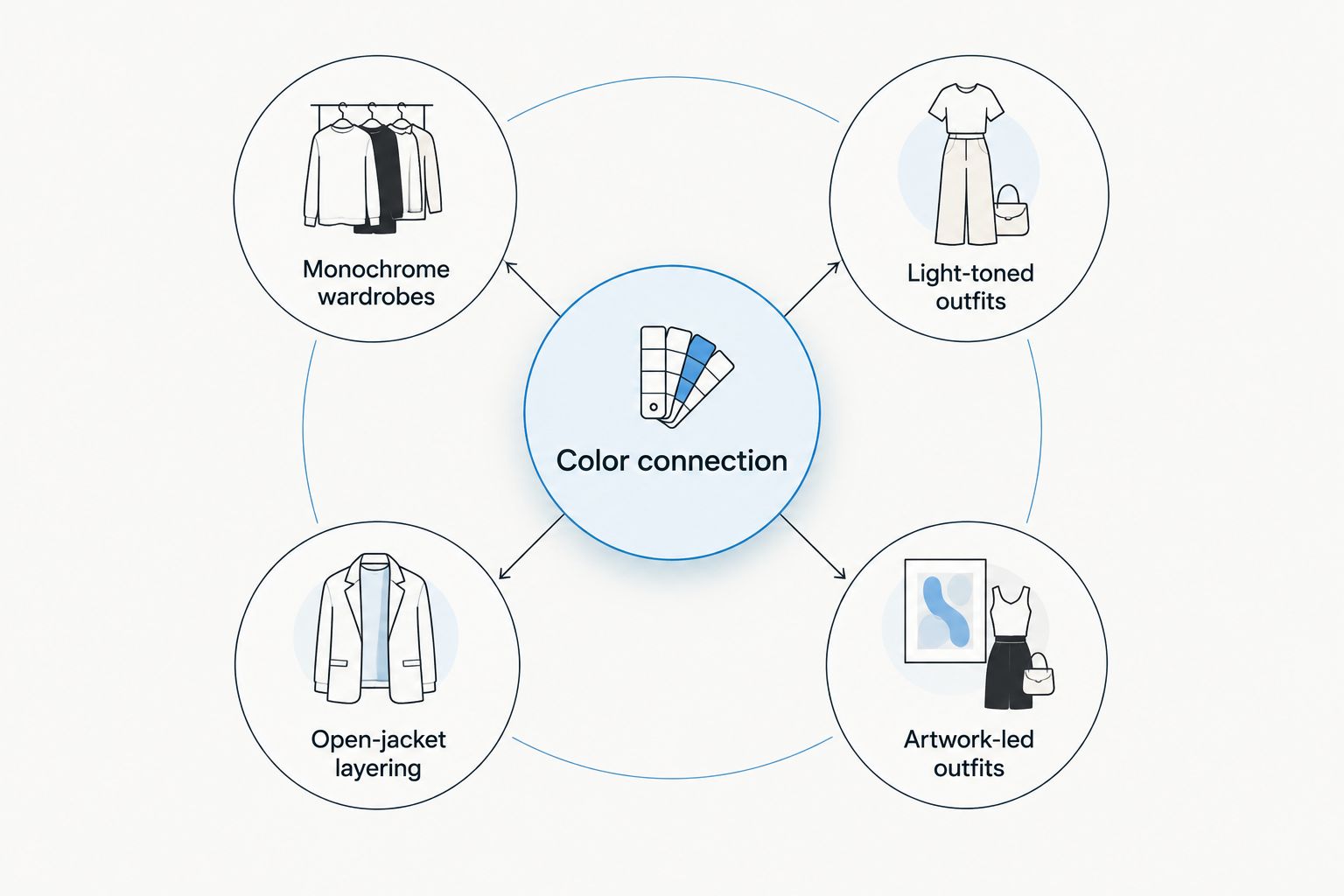
- Color connection: Repeat a color already present in your wardrobe. The hoodie needs a relationship with the rest of the outfit.
- Artwork placement: Decide whether the dye is the artwork or the background for a separate graphic. Both should remain readable.
- Silhouette: Compare body width, sleeve shape, and hem position. A loose fit and a long fit are not the same thing.
- Layer visibility: Think about what remains visible beneath your usual jacket. A pattern that works alone can look fragmented under another layer.
For a simple outfit check, use 3 pieces: the hoodie, your usual trousers, and your usual sneakers. If those work together, add outerwear. This is a styling exercise, not a rule about how many garments you should own.
In 2026, treat an oversized label as a starting point, not a fit description. Check the garment measurements and compare them with a hoodie whose shape you already like. Look at the shoulder, sleeve, and hem together.
Tie dye streetwear hoodies at a glance
These rankings separate use cases. Muted cloud dye is the default; the other styles win when you want a particular palette, focal point, or layering effect.
| Rank and style | Best for | Standout feature | Key limitation |
|---|---|---|---|
| 1. Muted cloud dye | Everyday outfit rotation | Soft-edged color areas | Less defined visual impact |
| 2. Black-and-gray tie dye | Monochrome wardrobes | Tonal pattern without added hue | Contrast can disappear under dark layers |
| 3. Earth-tone tie dye | Olive, brown, and cream outfits | A connected warm palette | Less useful with an unrelated bright palette |
| 4. Pastel tie dye | Light-toned outfits | Gentle color transitions | Can lose separation against pale trousers |
| 5. Saturated spiral dye | A single statement piece | A clear circular focal point | Competes with other strong graphics |
| 6. Split-tone tie dye | Open-jacket layering | Distinct color zones | The jacket can hide the intended division |
| 7. Graphic-overlay tie dye | Artwork-led outfits | Printed artwork over a dyed field | Print and dye can fight for attention |
Read the table by outfit need, not by position alone. A monochrome wardrobe has more use for black-and-gray tie dye than for a pastel hoodie, even though muted cloud dye takes the overall slot.
1. Muted cloud dye: best for everyday outfit rotation
Muted cloud-dye hoodies use diffuse color areas rather than a sharply defined spiral. Choose restrained shades when you want the pattern to sit alongside denim, plain trousers, and uncomplicated footwear. The effect is expressive without demanding a second statement piece.
Start with charcoal trousers and understated sneakers. If the hoodie contains a warm neutral, repeat that tone in an outer layer rather than introducing another unrelated color.
Muted cloud-dye pros:
- Soft pattern edges suit an outfit without a rigid focal point.
- Restrained color leaves room for texture elsewhere.
- Diffuse artwork works without an additional printed slogan.
Muted cloud-dye cons:
- Low contrast gives less visual definition.
- Similar hoodie and trouser tones can blur the silhouette.
Best for: Your regular rotation when you want pattern, but not a full outfit built around it.
Verdict: Buy muted cloud dye for the most flexible starting point.
2. Black-and-gray tie dye: best for monochrome wardrobes
Black-and-gray tie dye adds pattern while keeping the outfit within a tonal palette. Choose it if your usual pieces are black denim, gray trousers, white tees, and dark outerwear. You get variation without introducing a new hue.
Compare the lightest area of the hoodie with your trousers. A visible difference helps the upper and lower halves remain distinct; an almost-black hoodie against black trousers creates a quieter result.
Black-and-gray tie-dye pros:
- Fits a wardrobe organized around neutral colors.
- Adds movement without a bright color accent.
- Leaves footwear or an accessory room to become the focal point.
Black-and-gray tie-dye cons:
- Dark outerwear can conceal much of the pattern.
- Low-contrast dye does not deliver a colorful tie-dye look.
Best for: Monochrome dressers who want something less uniform than a plain black hoodie.
Verdict: Buy black-and-gray tie dye if neutrals already anchor your wardrobe.
3. Earth-tone tie dye: best for olive, brown, and cream outfits
Earth-tone tie dye brings shades such as brown, rust, olive, or sand into the pattern. Choose the actual combination around your existing separates, rather than treating every earthy shade as interchangeable. A rust-heavy hoodie has a different outfit direction from an olive-heavy one.
For a 2026 outfit built around utility trousers, use one shared shade between the hoodie and the lower half. Keep the remaining pieces plain so the color connection stays visible.
Earth-tone tie-dye pros:
- Connects naturally with an earth-toned outfit plan.
- Offers color without a neon-centered palette.
- Gives cream or dark-brown separates a patterned companion.
Earth-tone tie-dye cons:
- Mixed warm and cool shades need deliberate coordination.
- Similar brown tones throughout can flatten the outfit.
Best for: Shoppers whose existing wardrobe centers on olive, brown, sand, and cream.
Verdict: Buy earth-tone tie dye when it repeats colors you already wear.
4. Pastel tie dye: best for light-toned outfits
Pastel tie dye uses pale color to create a softer visual direction. Choose it for outfits with light denim, cream trousers, or a white base layer. The pattern becomes a gentle color field rather than a hard graphic statement.
Give the hoodie a clear boundary. Darker footwear or trousers with a different value can keep an otherwise pale outfit from reading as one uninterrupted block.
Pastel tie-dye pros:
- Adds color to a light wardrobe without a saturated focal point.
- Suits a restrained approach to patterned clothing.
- Allows a plain darker piece to define the silhouette.
Pastel tie-dye cons:
- Pale surrounding pieces can reduce visual separation.
- The effect is less useful if you want strong contrast.
Best for: Light-toned outfits where you want color to stay soft.
Verdict: Buy pastel tie dye for a pale palette; skip it for a high-contrast brief.
5. Saturated spiral dye: best for a single statement piece
A saturated spiral gives the hoodie an obvious center of attention. The circular pattern organizes the color around a focal point instead of spreading it evenly. Choose this style when the hoodie should lead the outfit.
Build around 2 plain companion pieces: solid trousers and simple sneakers. Avoid adding a competing graphic merely to make the look feel more like streetwear; the spiral already supplies the visual energy.
Saturated spiral-dye pros:
- Gives the outfit a defined focal point.
- Makes the dye pattern the main artwork.
- Works as a deliberate alternative to restrained tonal dressing.
Saturated spiral-dye cons:
- Competes with strong prints elsewhere.
- A closed jacket hides the central pattern.
Best for: A statement outfit with an otherwise plain foundation.
Verdict: Buy saturated spiral dye when you want the hoodie to lead.
6. Split-tone tie dye: best for open-jacket layering
Split-tone tie dye separates the hoodie into distinct color areas. Unlike a centered spiral, its interest comes from the relationship between zones. Check where the division falls across the front, sleeves, and hood before choosing your outer layer.
Wear it beneath 1 open outer layer to judge what remains visible. A jacket that exposes only a narrow central strip can erase the very feature that attracted you.
Split-tone tie-dye pros:
- Creates a readable division between color areas.
- Gives open-jacket outfits a specific visual structure.
- Lets you echo one zone in another garment.
Split-tone tie-dye cons:
- Layering can obscure the division.
- Color placement demands more attention than a diffuse pattern.
Best for: Outfits where the jacket stays open and the hoodie remains visible.
Verdict: Buy split-tone tie dye only after checking the layered view.
7. Graphic-overlay tie dye: best for artwork-led outfits
Graphic-overlay tie dye places printed artwork over a dyed background. Here, choose the illustration first and judge the dye as its supporting field. If you cannot distinguish the graphic clearly, the two treatments are competing rather than working together.
Shopfernwell’s graphic-hoodie styling direction puts artwork and outfit context at the center. For a 2026 tie-dye outfit, use that same order: choose the illustration, assess the background, then decide what trousers frame both.
Graphic-overlay tie-dye pros:
- Combines illustrated artwork with a patterned base.
- Gives you a specific motif to build the outfit around.
- Can connect a printed color with footwear or trousers.
Graphic-overlay tie-dye cons:
- Detailed dye can interfere with the illustration.
- Another graphic elsewhere can overcrowd the outfit.
Best for: Shoppers who want illustrated artwork, not dye alone, to carry the look.
Verdict: Buy graphic-overlay tie dye when the artwork stays clearly readable.
How we ranked the styles
The ranking prioritizes outfit compatibility, pattern readability, silhouette, and layering. Muted cloud dye takes the default slot because its styling brief leaves room for plain wardrobe staples. Each remaining style serves a narrower, distinct purpose.
These are design recommendations, not durability or fabric-performance rankings. Judge a specific garment through its stated composition, measurements, care instructions, and product photographs. A pattern name does not establish construction quality.
Which tie dye streetwear hoodies should you choose?
Choose muted cloud dye if you are undecided. It gives you a patterned starting point without requiring a saturated or illustration-led outfit. Black-and-gray tie dye is the clearer choice when your wardrobe is already monochrome.
Choose earth tones or pastels by the colors you actually wear. Choose saturated spirals for a standalone focal point, split-tone dye for visible layering, and graphic overlays for artwork-led dressing.
Before adding a hoodie to your 2026 rotation, picture it with your most-worn trousers. If the outfit needs several other purchases to work, choose a different palette. The right hoodie should connect with your wardrobe, not replace it.
FAQ
What are the best tie dye streetwear hoodies in 2026?
Muted cloud-dye hoodies are the best default for everyday styling in this guide. Choose black-and-gray tie dye for monochrome outfits or saturated spiral dye when the hoodie should be the statement piece.
How do I style a tie-dye hoodie without making the outfit too busy?
Pair a tie-dye hoodie with plain trousers and simple footwear. Let the dye carry the pattern, and repeat one of its colors rather than adding an unrelated print.
Is black-and-gray tie dye better than colorful tie dye?
Black-and-gray tie dye is the better choice for a monochrome wardrobe. Colorful tie dye is the better choice when you want the hoodie to introduce or repeat a specific hue.
Should a tie-dye streetwear hoodie be oversized?
A tie-dye streetwear hoodie does not need to be oversized. Choose the body width, sleeve shape, and hem position you prefer, then compare garment measurements with a hoodie you already wear.
Can I wear a graphic print over tie dye?
A graphic print works over tie dye when the artwork remains clearly readable against the background. Keep other garments plain so the illustration and dye do not compete with another strong pattern.
What trousers work with a tie-dye hoodie?
Plain trousers that connect with the hoodie’s palette are the clearest starting point. Use charcoal for a neutral foundation, or repeat an earth tone when the hoodie contains olive, brown, or sand.
How do I choose a tie-dye hoodie for layering?
Choose a tie-dye hoodie by checking which parts of the pattern remain visible beneath your jacket. Split-tone designs depend on visible color zones, while a centered spiral loses its focal point beneath closed outerwear.
One last thing
Check the hoodie from the back as well as the front. A design you love head-on can create a different impression beneath a hood or across the shoulders. Choose the whole garment, not just the strongest photograph.